Guide
Sustainable Hotels and Eco-Lodges in Costa Rica: The People and the Proof
How to pick a truly sustainable hotel or eco-lodge in Costa Rica: what CST Basic and Elite mean, real examples, and the questions to ask.
Green Business · Montezuma, Puntarenas
On Jan. 28, 2026, National Geographic named Anamaya Resort in Montezuma among its Best of the World 2026: Wellness Experiences. It's the second southern Nicoya Peninsula retreat the magazine has highlighted, after Hotel Nantipa in Santa Teresa in 2024, as Costa Rica's tourism board pushes wellness travel.
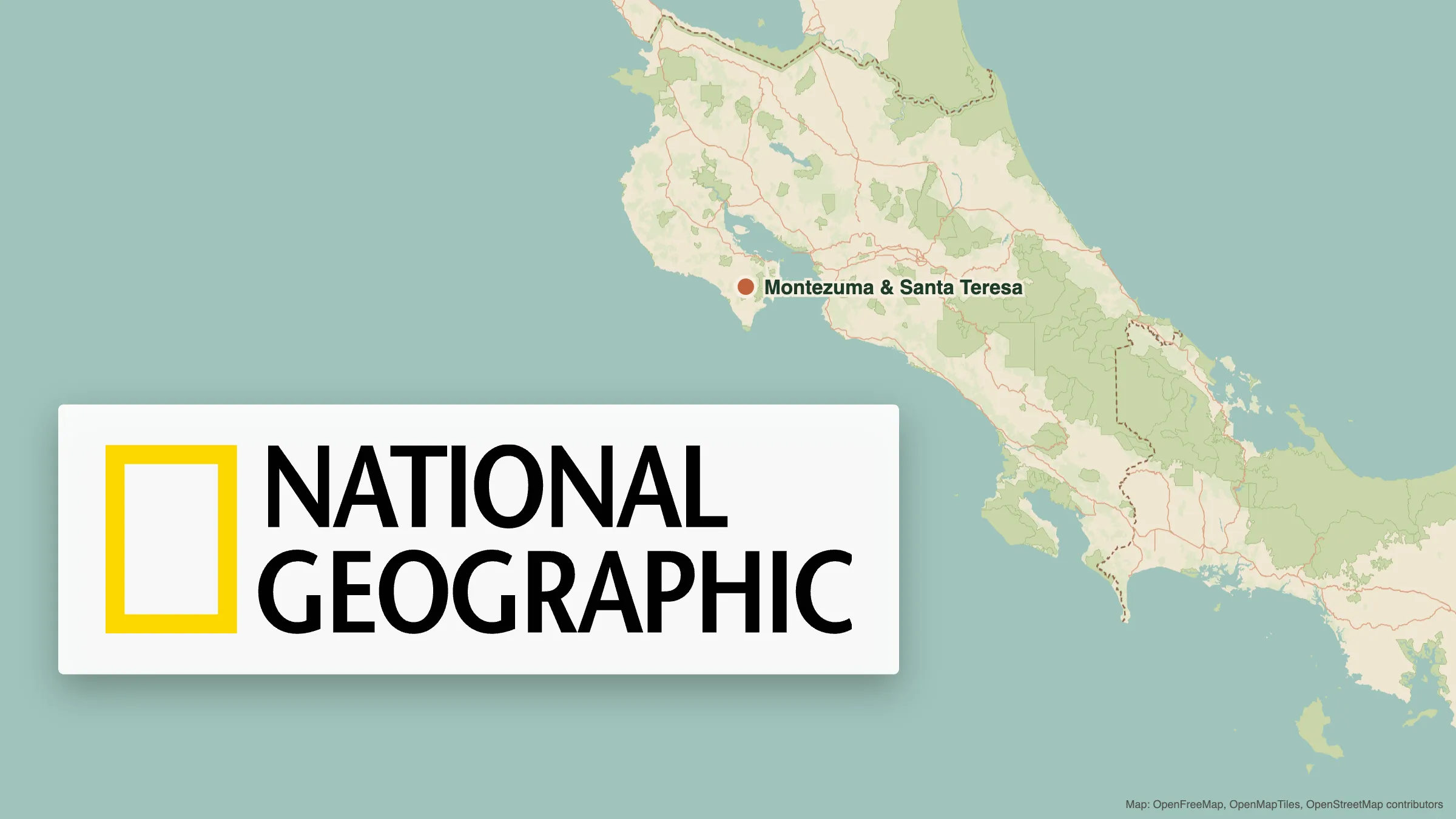
The magazine's new global collection puts a Montezuma retreat alongside international wellness experiences, two years after it recognized Hotel Nantipa in Santa Teresa. The latest selection adds weight to Costa Rica's sustained effort to attract travelers seeking nature, rest and personal renewal.
MONTEZUMA, Costa Rica | January 29, 2026. Costa Rica's campaign to become known for more than beaches and adventure tourism has received a fresh international endorsement. On Wednesday, January 28, National Geographic named Anamaya Resort, a yoga and wellness retreat overlooking the Pacific in Montezuma, among its Best of the World 2026: Wellness Experiences.
The selection places a small resort on the southern Nicoya Peninsula alongside a varied collection of experiences from around the world, from silent wilderness walks to traditional bathing rituals. The magazine's choices were made by its travel editors, contributors and explorers, with an emphasis on experiences that combine the natural environment, local culture and personal wellbeing.
For Costa Rica, the timing is significant. National Geographic had already included Hotel Nantipa in nearby Santa Teresa in its 2024 wellness collection. The two resorts were selected in different years, not together in the 2026 list, but the repeated attention highlights the country's growing international profile in a tourism segment that its own tourism authority has been actively cultivating. Read the new National Geographic selection.
National Geographic contributor Birch Thomas based her account on a weeklong stay at Anamaya Resort. Rather than focusing only on spa facilities, she described a combination of experiences that rely on Montezuma's setting, the relationships between guests and staff, and the freedom to customize a retreat.
Her article begins with yoga on an open-air platform where rainforest borders one side and the Pacific Ocean opens up on the other. The setting is not simply a beautiful backdrop. It is central to the magazine's account of how a visitor's days unfold, moving between physical practice, quiet reflection, the surrounding community and excursions into nature.
Thomas noted that guests can take part in breathwork, sound-healing sessions and cacao ceremonies, as well as visit Montezuma's waterfalls and beaches. Meals prepared with local ingredients are shared among retreat participants, adding a social element to what might otherwise be a solitary holiday. Yoga sessions draw on different traditions and visiting teachers, rather than a single permanent instructor or fixed program.
The selection also points to another side of the retreat's identity. National Geographic described offerings aimed at travelers interested in newer wellness technologies, including infrared sauna sessions, cold plunges, red-light treatments and heart-rate-variability analysis. These are services offered by the business. The magazine's travel selection is not an independent medical endorsement of any treatment or its claimed benefits.
Perhaps the most distinctive point in Thomas's account was the scale of the place and the attention offered by staff. She emphasized a close staff-to-guest relationship and an atmosphere in which employees remembered guests' names and personal stories. Her article treated that human connection, alongside the ocean and rainforest, as a defining part of the experience.
Behind the resort are co-founders Geoff McCabe, Joseph Mikrut and Kelsey Matheson, whose backgrounds include entrepreneurship, natural health, retreat design and wellness programming. Their project offers one example of how a locally rooted business can bring together yoga, food, outdoor experiences and contemporary wellness services in a single destination.
National Geographic did not rank Anamaya first, nor did it announce a worldwide winner among the retreats. Its 2026 feature was a curated selection of notable experiences. The recognition is nevertheless substantial: a Costa Rican retreat has been singled out in one of travel journalism's most visible annual collections.
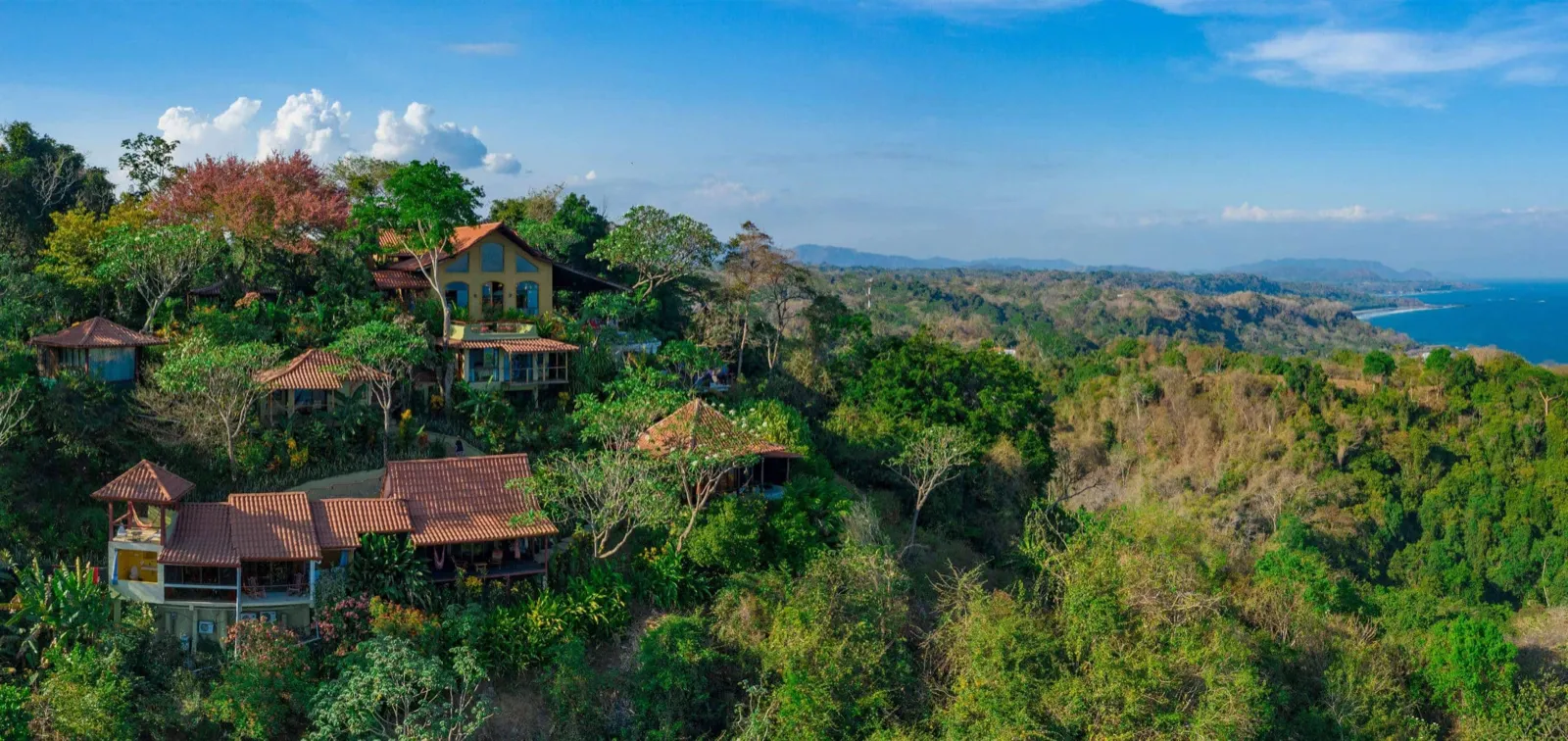
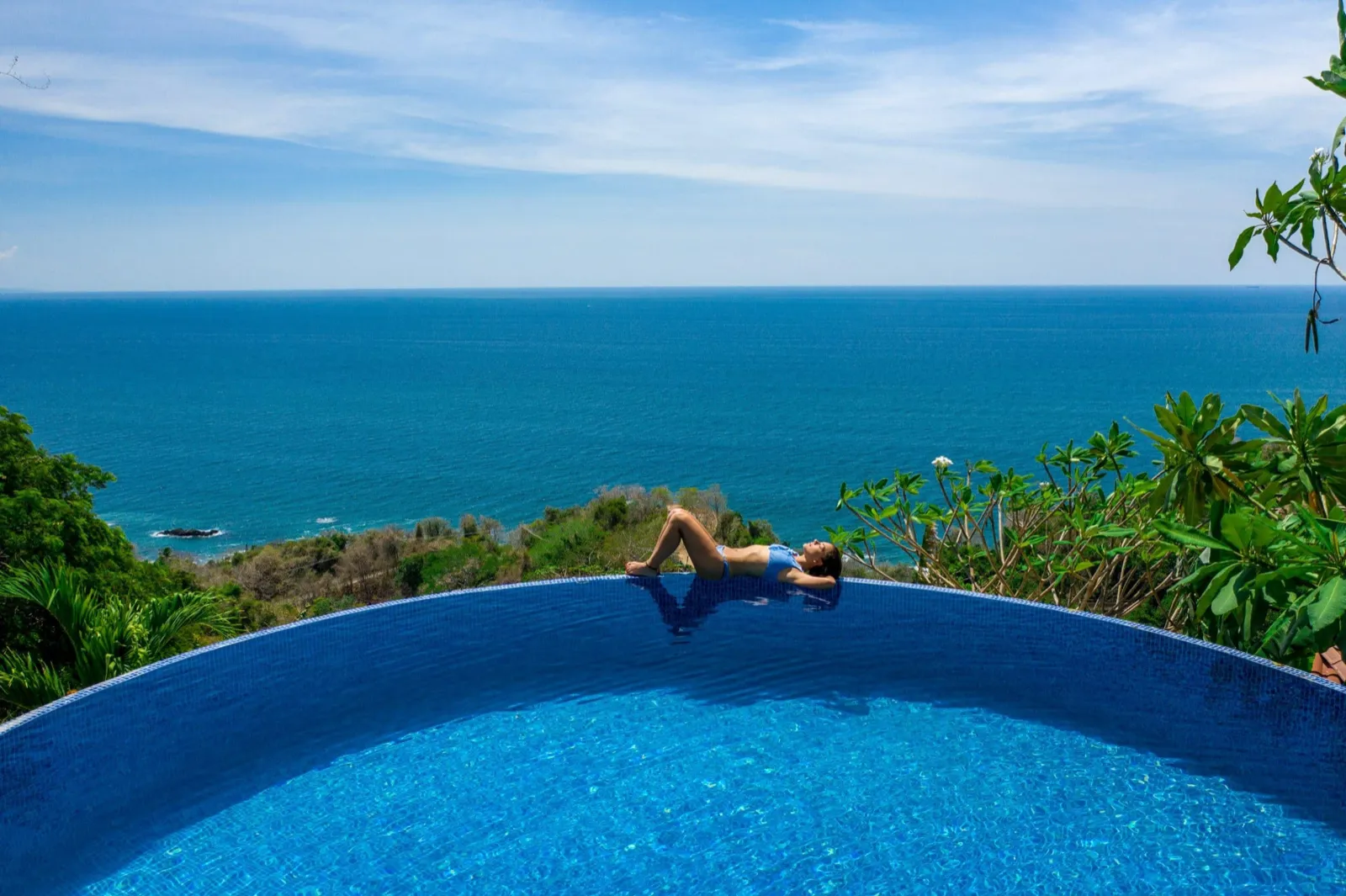
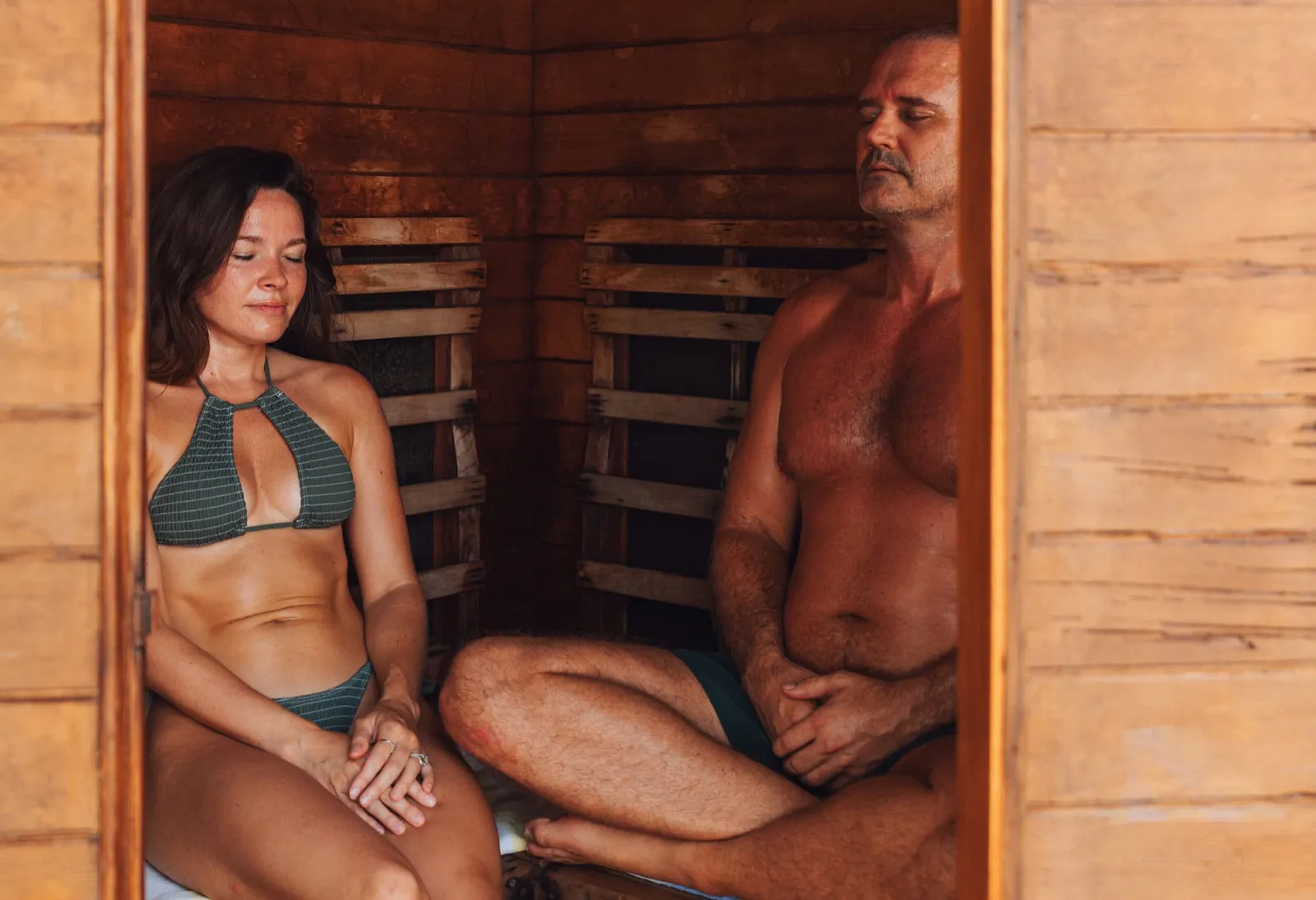
The latest selection is not an isolated occurrence for the Nicoya Peninsula.
On January 30, 2024, National Geographic included Hotel Nantipa in Santa Teresa in its annual feature on wellness escapes. The magazine emphasized the hotel's interpretation of the region's Blue Zone lifestyle, including meals built around vegetables and fish, yoga on the beach and opportunities to spend time outdoors.
The 2024 article also described open-air spa settings and excursions that connected visitors with the surrounding area, including the nearby Montezuma waterfall and local sea-turtle conservation activities. The appeal was different from Anamaya's mix of yoga and technology, but the underlying idea was similar: the destination and its everyday rhythms were part of the wellness experience.
The Nicoya Peninsula is widely recognized as one of the world's original Blue Zone regions, associated with unusually high concentrations of people reaching advanced ages. That reputation offers a powerful storytelling connection for travel businesses, although the longevity of individual residents does not prove that a brief retreat, spa treatment or visit can produce the same health outcomes.
Hotel Nantipa's inclusion in 2024 and Anamaya's selection this week give Costa Rica two examples of National Geographic recognizing different approaches to wellbeing on the same stretch of Pacific coastline. Read National Geographic's 2024 collection.
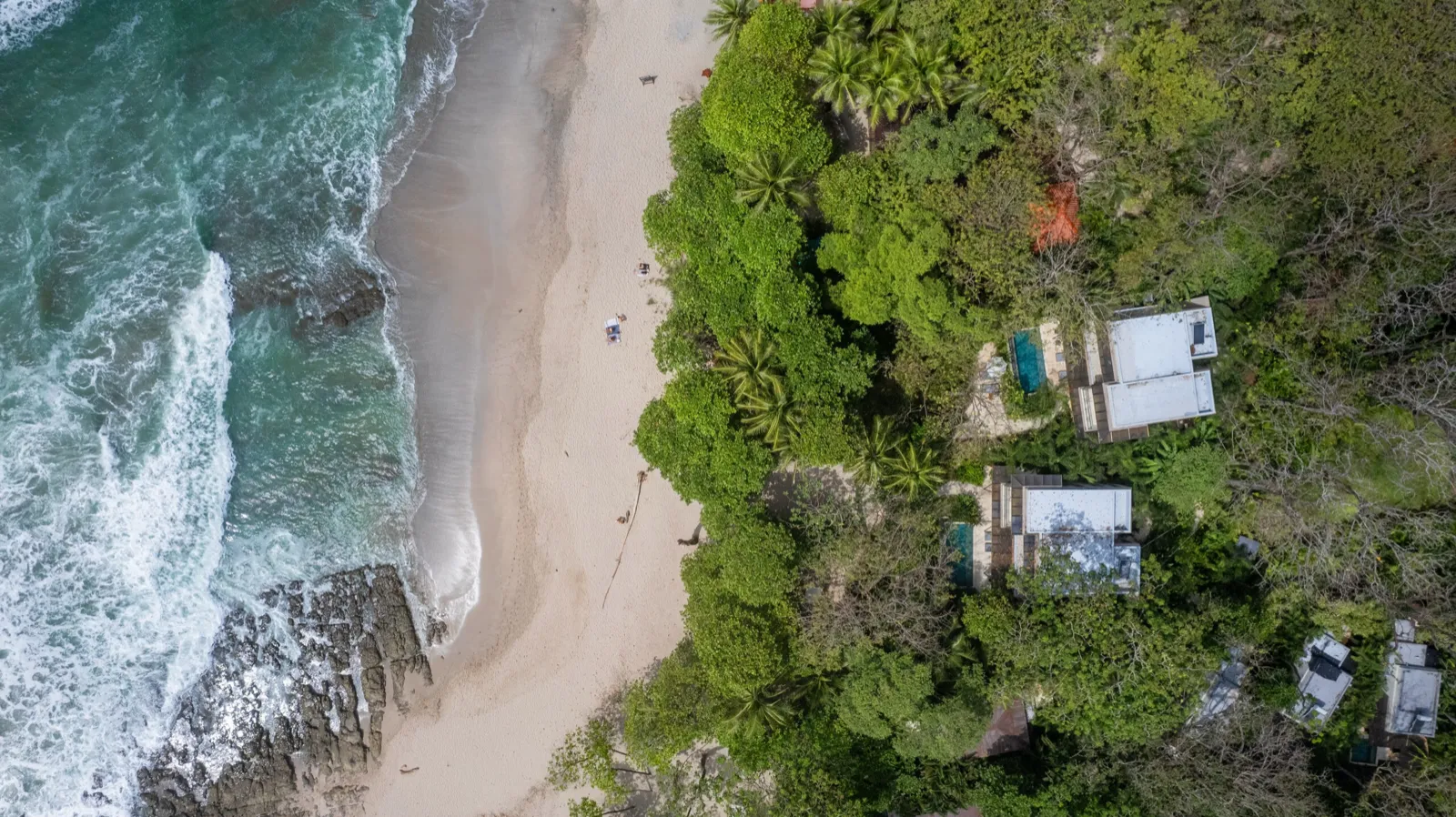
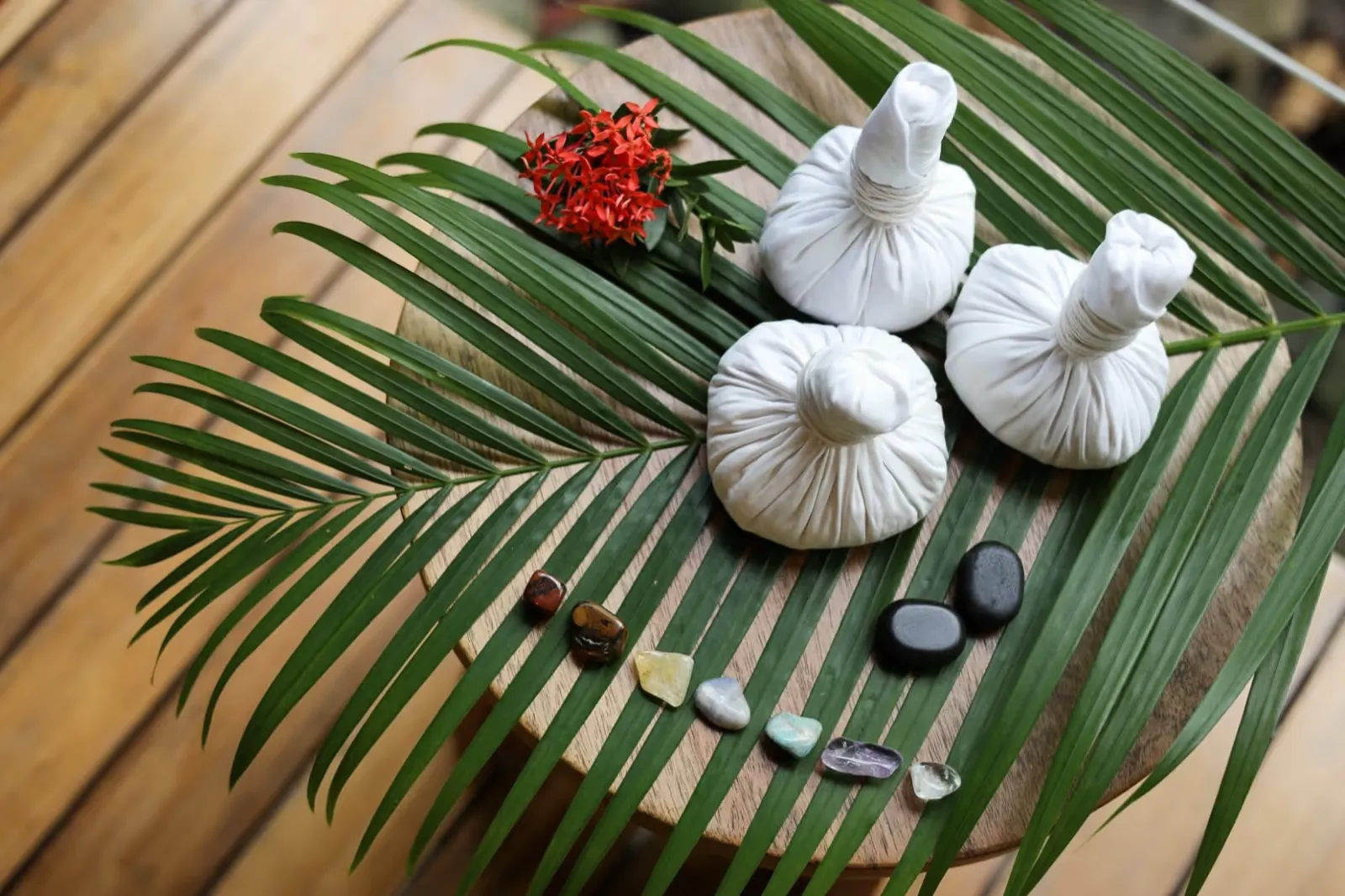
The National Geographic announcement comes after a series of concrete efforts by the Costa Rican Tourism Institute (ICT) to position the country as a destination for travelers interested in health-conscious activities, restoration and meaningful experiences in nature.
In February 2025, the ICT announced that its marketing initiatives had received four HSMAI Adrian Awards. One of the awards was gold in influencer marketing for a campaign called Wellness Week: Transformational Journeys, which had introduced North American audiences to Costa Rica's combination of yoga, nature and personal renewal.
Carolina Trejos, the ICT's marketing director, said at the time that the agency wanted its campaigns to strengthen Costa Rica's positioning as a destination offering distinctive experiences. The award honored the marketing campaign, not a specific hotel or a medical wellness program, but it showed that wellness was already a recognized part of the national tourism message.
Later, in July 2025, the ICT reported results from another Wellness Week initiative involving six wellness and travel content creators from the United States and Canada. The guests had traveled in May to places including Carara National Park, Playa Esterillos and retreat settings, with activities built around yoga, meditation, waterfalls, nutrition and gentle outdoor adventure.
The ICT reported 1.9 million social-media impressions and more than 82,000 interactions from that campaign. Marcela Bonilla, then an ICT international advertising executive, characterized the work as a way to share the country's culture, natural surroundings and restorative experiences with its principal North American travel markets.
Among the participating creators was Toronto-based yoga and mobility instructor Andrea Levin, whose publicly identified Instagram account is @andreitalevin. Her involvement illustrates how the tourism authority has been working with people whose audiences are specifically interested in wellness, rather than relying entirely on general destination advertising.
The trend had already attracted the attention of La Nación, which published a February 2025 report on Costa Rica's wellness offering, including cacao rituals and contact with nature, in the wider context of Latin American travel.
There is a separate media relationship worth distinguishing. In December 2025, La Nación reported on an ICT promotional-content collaboration with the National Geographic brand, involving travel videos for 13 international markets and an estimated investment of $700,000. That government marketing initiative is distinct from National Geographic's January 28 editorial wellness list. The available reporting does not establish that the promotional arrangement influenced the magazine's choice of Anamaya.
For decades, the country's tourism identity has rested on biodiversity, protected landscapes, outdoor adventure and the familiar phrase Pura Vida. Wellness tourism allows destinations and businesses to assemble many of those existing strengths into experiences where travelers focus not simply on what they see, but on how they feel while they are there.
Yoga on a deck surrounded by rainforest, a guided walk near the coast, a meal shared with other guests or time spent away from an intensely scheduled daily routine can all be presented as part of a personal renewal journey. For visitors, the attraction is not necessarily a complicated treatment. It may be the chance to sleep better, move more, meet people and enjoy the landscape at a slower pace.
National Geographic's 2026 list captures that broader definition. Its collection stretches beyond conventional spas to include walking, cultural immersion and contact with nature. Costa Rica's entry fits the trend while retaining the particular identity of the southern Nicoya Peninsula.
That does not mean a new magazine selection proves the government's promotional spending has paid for itself. Social-media engagement figures are not bookings, and an editorial recommendation is not a measure of tourism revenue. Nor is there evidence that ICT campaigns caused the choice made by National Geographic's contributors.
But the relationship between the country's long-running tourism message and the magazine's new recommendation is clear. The ICT has been promoting wellness as part of Costa Rica's visitor appeal. National Geographic has now highlighted a business delivering exactly that kind of experience, following an earlier selection from the same peninsula.
For the people working in wellness tourism, including yoga teachers, local guides, cooks, therapists, drivers and resort employees, the next question is whether this growing attention translates into more durable opportunities in their communities.
For now, the news is straightforward: National Geographic has placed a Montezuma retreat on its global wellness map for 2026. With a second Costa Rican property recognized in 2024 and an active national strategy supporting the sector, the selection is another indication that wellness is becoming a defining part of Costa Rica's international tourism identity.
Anamaya Resort in Montezuma, on the southern Nicoya Peninsula. National Geographic named it among its Best of the World 2026: Wellness Experiences on Jan. 28, 2026, in an entry by contributor Birch Thomas.
No. Hotel Nantipa in Santa Teresa was in National Geographic's 2024 wellness collection, published Jan. 30, 2024. The two resorts were picked in different years.
No. It's a curated selection by the magazine's editors, contributors and explorers. It names no overall winner and isn't a medical or environmental certification.
Montezuma is a small beach town at the southern tip of the Nicoya Peninsula in Puntarenas province, about 10 km east of Santa Teresa and known for its waterfalls and nearby Cabo Blanco reserve.
We wrote this story from the published reports and official sources above. We didn't interview the people named unless the story says so.
Guide
How to pick a truly sustainable hotel or eco-lodge in Costa Rica: what CST Basic and Elite mean, real examples, and the questions to ask.
People & Blue Zones
Costa Rica launched Costa Rica Centenaria in July 2026 to bring health care, housing and social help to about 70 centenarians in the Nicoya Blue Zone.
Green Business
Daniela Campos Guillén runs Centro de Acopio J y D in La Unión, a recycling center built on 3 generations of waste work that now employs 18 people.
Green Business
Reserva Conchal in Guanacaste launched a honeybee genetics pilot in May 2026, breeding queens from chosen drones for hives that handle heat and disease.